Strategic Realignment in Brussels
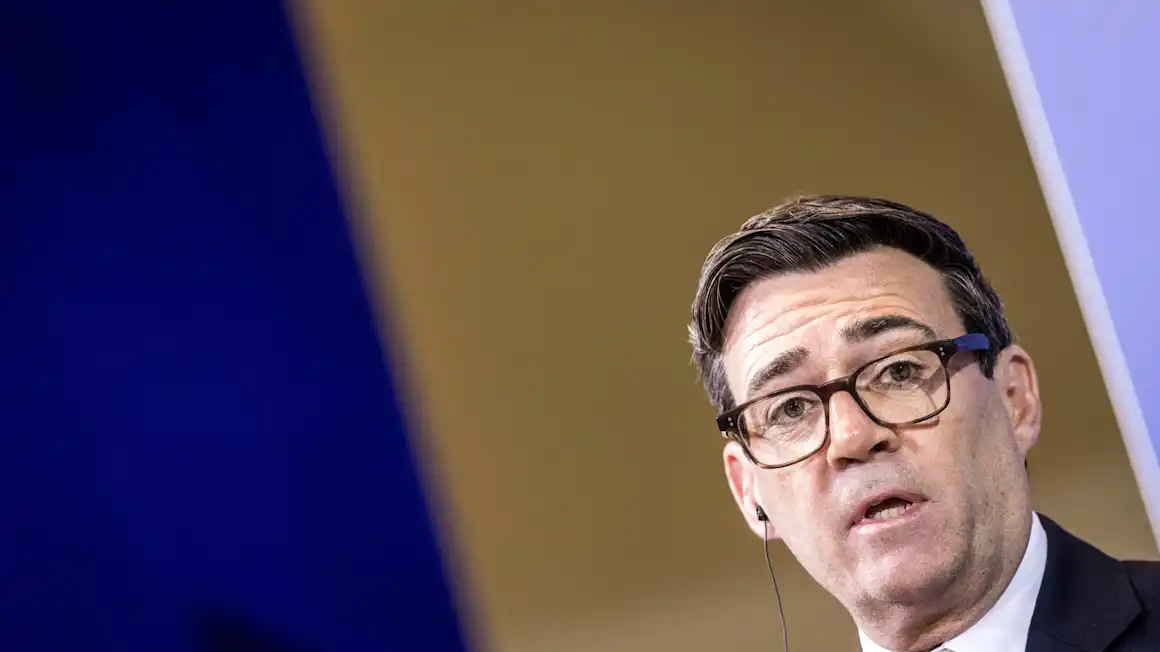
The political landscape is shifting as Burnham prepares to travel to Brussels to sign a significant reset deal with the European Union. This upcoming diplomatic event marks a pivotal moment in post-Brexit relations, indicating a deliberate move by the UK government to redefine its engagement with European institutions. The signing ceremony in the Belgian capital will serve as a public declaration of this new chapter, emphasizing a desire for stability and structured cooperation rather than adversarial separation.
While the specific legal texts of the agreement have not been fully detailed in preliminary reports, the overarching goal is clear: to establish a framework that allows for smoother interactions between the UK and EU member states. This reset is not merely symbolic; it carries substantive implications for regulatory alignment and bilateral cooperation. Observers note that the choice of Brussels as the venue underscores the centrality of the EU in this new strategy, highlighting the city's role as the de facto capital of European political integration.
Trade and Economic Implications
A core component of the proposed deal is the facilitation of freer trade in the food and drink sector. This specific focus addresses one of the most contentious areas of post-Brexit commerce, where non-tariff barriers and regulatory divergences have historically caused friction. By aiming for freer trade in these specific goods, the agreement seeks to reduce bureaucratic hurdles for exporters and importers, potentially lowering costs and improving supply chain efficiency for businesses on both sides of the Channel.
The food and drink industry has long been a focal point of trade disputes, with issues ranging from sanitary and phytosanitary checks to geographical indications. A deal that explicitly targets these areas suggests a pragmatic approach to economic relations. It implies that both parties recognize the mutual benefits of reducing trade friction in sectors where they maintain strong comparative advantages. For UK exporters, this could mean easier access to the lucrative European market, while EU producers may find it simpler to distribute their goods within the UK.
People-to-People Connections
Beyond economic metrics, the agreement places a significant emphasis on social and cultural ties through the introduction of a youth experience scheme. This initiative aims to foster closer people-to-people connections between the UK and the EU, recognizing that long-term stability requires more than just trade agreements. By facilitating exchanges, internships, or travel opportunities for young people, the deal seeks to rebuild bridges that may have been strained by the political turbulence of recent years.
This focus on youth engagement reflects a broader understanding that diplomatic relations are sustained by human interaction and shared experiences. Such schemes often serve as incubators for future leaders and professionals who view the EU and UK not as separate entities but as interconnected partners. The inclusion of this element in the reset deal indicates a holistic approach to diplomacy, balancing hard economic interests with soft power and cultural diplomacy.
What Happens Next
The immediate next step is the formal signing of the deal by Burnham in Brussels. This event will likely be followed by detailed announcements regarding the implementation timelines and specific regulatory adjustments required to make the freer trade in food and drink a reality. Stakeholders in the agriculture, hospitality, and logistics sectors will be closely monitoring these developments to assess how the new framework impacts their operations.
Furthermore, the rollout of the youth experience scheme will require coordination between various government departments and EU agencies. The success of this initiative will depend on the availability of funding, the clarity of eligibility criteria, and the willingness of institutions to participate. As the details emerge, the focus will shift from high-level political commitments to practical execution and measurable outcomes.
Key takeaways
- Burnham is scheduled to sign a reset deal with the European Union in Brussels.
- The agreement aims to establish closer diplomatic and economic ties between the UK and the EU.
- A key provision of the deal is the facilitation of freer trade in food and drink products.
- The deal includes the introduction of a new youth experience scheme to enhance people-to-people connections.





