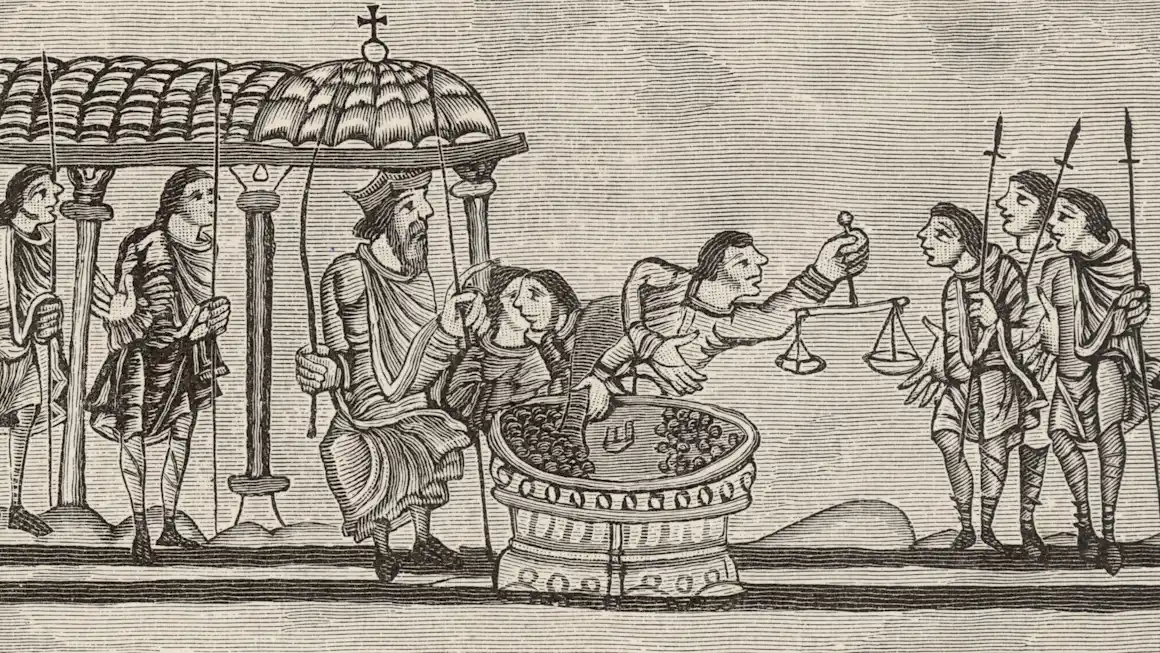
Historical Roots of Modern Distortions
The British tax system is not merely a contemporary construct but a sprawling edifice built over a millennium. For approximately 1,000 years, the framework has evolved in response to immediate fiscal necessities rather than long-term structural efficiency. This historical accumulation has resulted in a complex web of levies and exemptions that often defy logical economic alignment. The system's current form is less a product of deliberate design and more a series of incremental adjustments made to address pressing budgetary shortfalls.
At the core of these modern challenges lies a persistent strain on public finances. The government has consistently faced the dual pressure of maintaining essential services while avoiding the political fallout of spending cuts. Consequently, the burden of financing public expenditure has increasingly shifted toward taxation, creating a system that is both heavy-handed and riddled with anomalies. The reluctance to reduce expenditure has meant that revenue generation has become the primary tool for managing the national budget, often at the expense of simplicity and fairness.
The Impact of Spending Reluctance
A defining characteristic of this fiscal approach is the government's hesitation to trim public spending. This aversion to austerity has led to a reliance on raising taxes to fill the gaps in the treasury. Instead of streamlining services or reducing the scope of state activities, policymakers have frequently opted to expand the tax base or introduce new levies. This approach has compounded the complexity of the tax code, making it increasingly difficult for individuals and businesses to navigate.
The consequences of this strategy are visible in the 'comical distortions' that permeate the tax landscape. These distortions often arise from specific exemptions, reliefs, and deductions that were introduced to address particular social or economic goals but have since become entrenched. Over time, these provisions have created loopholes and inequities, allowing certain groups or sectors to benefit disproportionately. The result is a system that appears arbitrary and inconsistent, undermining the principles of transparency and equal treatment.
Furthermore, the historical nature of the tax system means that many rules are based on precedents set centuries ago, which may no longer be relevant in the modern economy. These archaic provisions persist due to the difficulty of reforming a system that has become deeply integrated into the financial lives of citizens. The inertia of the system makes it resistant to change, even when the original justifications for specific taxes have long since vanished.
Future Implications
As public finances remain strained, the pressure to maintain revenue through taxation is likely to intensify. Without a fundamental shift towards spending reduction, the tax system will continue to accumulate more layers of complexity. This trajectory suggests that the 'comical distortions' identified by observers may become more pronounced rather than diminishing. The gap between the theoretical ideal of a simple, efficient tax system and the practical reality of British taxation is likely to widen.
The persistence of these issues highlights the tension between fiscal responsibility and political expediency. While the need for public revenue is undeniable, the methods used to achieve it have significant implications for economic efficiency and social equity. The current path suggests a continued reliance on a tax system that is increasingly disconnected from modern economic realities.
Key takeaways
- Britain's tax system has evolved over 1,000 years, leading to a complex structure based on historical precedents.
- Strained public finances are a primary driver for the current tax regime's reliance on revenue generation.
- A reluctance to cut public spending has shifted the burden of funding the state onto taxpayers.
- The tax system is characterized by 'comical distortions' arising from specific exemptions and historical anomalies.
- Future reforms face significant inertia due to the system's deep integration into the economy.





