Market Uncertainty Takes Center Stage
Big fund managers are pressing 'pause' on major investment moves as the US midterm elections loom. The upcoming vote is being described by some as the 'most consequential' in recent years, prompting a wave of caution across the bond market. With both the election results and critical economic data releases on the horizon, investors are increasingly focused on risk management rather than aggressive positioning.
The decision to step back from active trading reflects a broader sentiment among institutional investors who are wary of the unpredictable nature of political transitions. Historically, midterm elections have introduced a degree of uncertainty that can lead to market fluctuations. In this cycle, the stakes appear particularly high, leading many large-scale operators to hold their positions steady rather than speculate on outcomes.
Economic Data Adds Complexity
Compounding the political uncertainty is the release of key economic data points scheduled around the same time. Investors are closely watching indicators that could signal the health of the economy and the potential direction of monetary policy. The convergence of these two major events—political and economic—creates a complex environment where the interplay between government policy and market performance is difficult to predict.
Analysts note that the bond market, in particular, is sensitive to shifts in fiscal policy and government spending priorities. As such, the 'pause' button being pressed by big fund managers is not just about the election itself but about the broader economic implications that may follow. The desire for clarity before making significant capital allocations has become the dominant theme in many institutional circles.
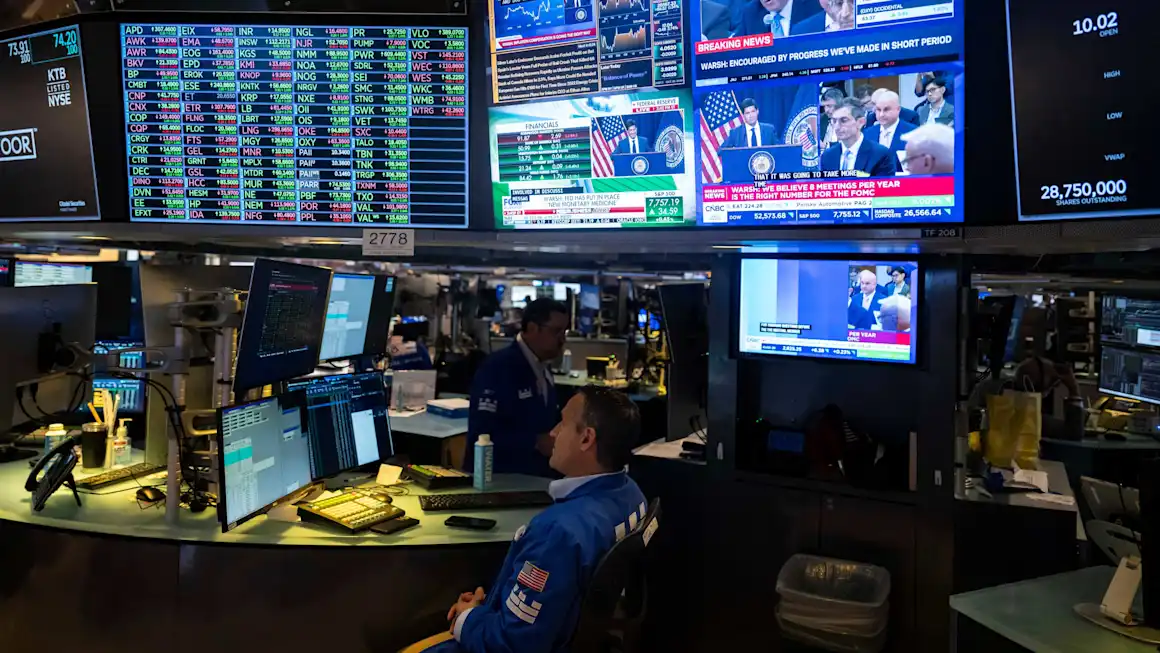
Big fund managers are pressing ‘pause’ as vote and economic data releases loom.
This cautious approach is evident in the trading volumes and the positioning of large portfolios. Rather than making bold bets on specific sectors or instruments, many investors are opting to maintain their current allocations. This strategy allows them to avoid potential losses from sudden market shifts while keeping the option open to adjust their portfolios once the political and economic landscape becomes clearer.
Implications for the Market
The hesitation among big fund managers could have ripple effects throughout the financial markets. When major players reduce their activity, it can lead to lower liquidity and increased volatility in the short term. However, it also suggests that there is a lack of consensus on the direction of the market, which can be a sign of an impending correction or a significant shift in trends.
For smaller investors and retail participants, the actions of big fund managers often serve as a barometer for market sentiment. The 'pause' may signal a period of consolidation where the market digests new information before making its next move. Investors are advised to monitor developments closely, as the resolution of the election and the release of economic data could quickly change the outlook.
What Comes Next
As the election day approaches, the focus will remain on how the results impact the bond market and the broader economy. The 'most consequential' nature of this election suggests that the outcome could have long-lasting effects on fiscal policy, regulation, and market stability. Investors will be watching for early signals that indicate which direction the market is heading.
The release of economic data will also play a crucial role in shaping investor sentiment. If the data supports a positive outlook, it could mitigate some of the uncertainty caused by the election. Conversely, if the data is weak, it could exacerbate fears and lead to further caution. The interplay between these factors will likely determine the market's trajectory in the coming weeks.
Key takeaways
- Major fund managers are pausing significant investment activities due to upcoming US midterm elections.
- The election is described as the 'most consequential' in years, driving a cautious approach among investors.
- Concurrent releases of critical economic data are adding to the uncertainty in the bond market.
- Big investors are prioritizing risk management and capital preservation over speculative positioning.
- Market liquidity may decrease as institutional players reduce their trading activity ahead of the vote.





