Production Shortfalls Drive Market Reaction
Shares of Boeing Company experienced a significant decline, dropping approximately 10% in trading following the admission by Chief Executive Kelly Ortberg that the aerospace giant is behind schedule in the production of its 737 jet. The stock movement reflects investor anxiety regarding the company's ability to meet its manufacturing commitments and maintain its position in the commercial aviation market. The sharp fall in share price underscores the sensitivity of the market to operational setbacks at one of the world's largest aircraft manufacturers.
Chief Executive Kelly Ortberg did not mince words when addressing the production challenges, openly admitting that the group is behind schedule. This transparency, while potentially damaging to short-term investor sentiment, highlights the ongoing difficulties the company faces in stabilizing its manufacturing processes. The admission comes at a critical time for the company, as it attempts to rebuild trust with airlines, regulators, and shareholders after a series of quality control issues and production halts that have plagued the firm in recent years.
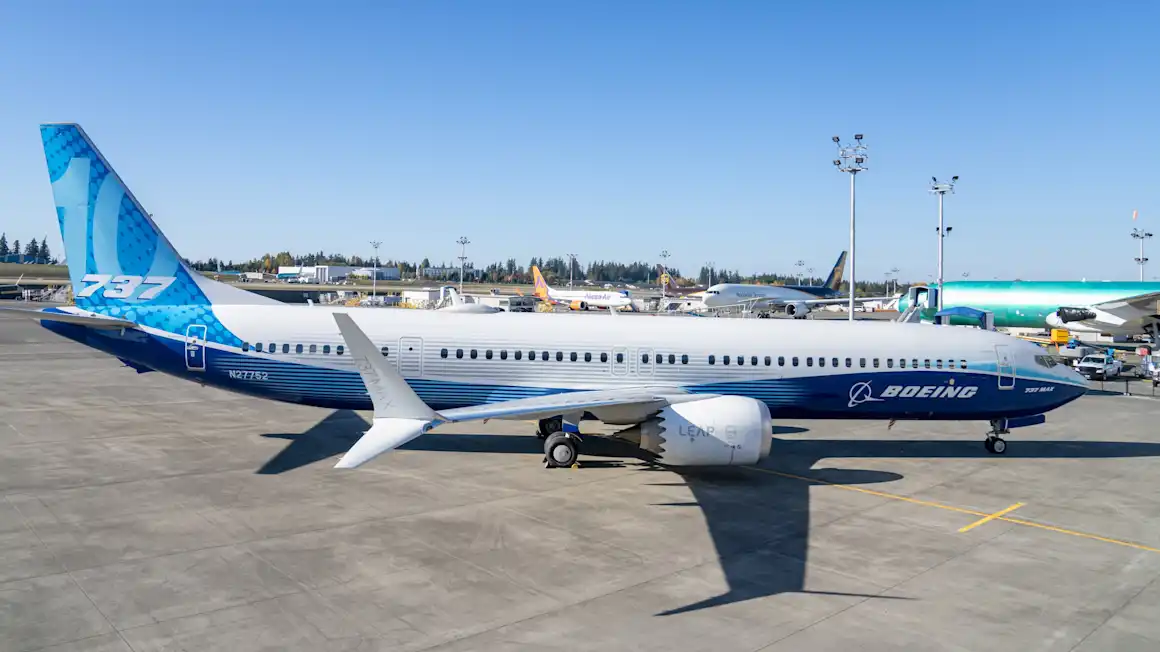
The 737 series remains the backbone of Boeing's commercial aviation business, serving as a workhorse for airlines worldwide. Delays in delivering these aircraft have direct consequences for airline operators who rely on these planes to expand their fleets or replace older models. The production slowdown means that customers are facing extended wait times, potentially impacting their fleet planning and revenue generation capabilities. This ripple effect adds pressure on Boeing to accelerate its production rates without compromising the safety and quality standards that are paramount in the aviation industry.
Market analysts have noted that the 10% drop in Boeing's stock price is a direct response to the news of the production delays. Investors are closely monitoring the company's ability to execute on its delivery targets, and the current trajectory suggests significant hurdles remain. The volatility in the stock price indicates that the market is reassessing the company's valuation in light of these operational challenges. Such a steep decline can have broader implications for the aerospace and defense sector, potentially affecting investor confidence in the entire industry.
Behind the scenes, Boeing is likely grappling with a complex web of supply chain issues, labor constraints, and regulatory scrutiny that contribute to the production lag. The company has been working to streamline its operations and improve quality control, but these efforts have proven difficult to implement at scale. The admission by Ortberg suggests that these internal challenges have not yet been fully resolved, and that the path to recovery may be longer than previously anticipated. The company's ability to navigate these obstacles will be a key factor in determining its future performance and market standing.
Implications for Delivery Targets
The reduction in the 737 delivery target is a significant shift in the company's outlook. This change signals that Boeing may struggle to meet the expectations set by previous guidance, potentially leading to revised financial projections. Airlines that have placed orders for the 737 may need to adjust their fleet expansion plans or seek alternative solutions, such as leasing aircraft or considering competitors' offerings. The uncertainty surrounding delivery timelines adds a layer of risk for both Boeing and its customers, complicating long-term strategic planning.
Regulatory bodies, including the Federal Aviation Administration (FAA), play a crucial role in Boeing's production process. Any delays in certification or inspections can further exacerbate the production slowdown. The company must maintain close coordination with regulators to ensure that safety standards are met while attempting to increase output. This balance is delicate, as any perceived laxity in safety could lead to further scrutiny and additional delays, creating a vicious cycle that hampers production efforts.
Looking ahead, the focus will be on how Boeing addresses these production challenges and whether it can regain momentum. The company's next earnings reports and operational updates will be closely watched for signs of improvement or further setbacks. Stakeholders, including investors, employees, and customers, are waiting to see if Ortberg's leadership will bring about the necessary changes to stabilize production and restore confidence in the company's ability to deliver on its promises.
Key takeaways
- Boeing shares fell 10% after CEO Kelly Ortberg admitted the company is behind schedule in 737 production.
- The production delays have raised concerns about the company's ability to meet delivery targets for its flagship airliner.
- Investors are reacting negatively to the news, reflecting anxiety over Boeing's operational stability and future prospects.
- The slowdown impacts airline customers who rely on the 737 for fleet expansion and replacement strategies.
- Boeing faces ongoing challenges with supply chain, labor, and regulatory issues that contribute to the production lag.
- Future performance will depend on the company's ability to resolve these internal challenges and improve efficiency.





