Government Pressure Mounts on Tech Giant
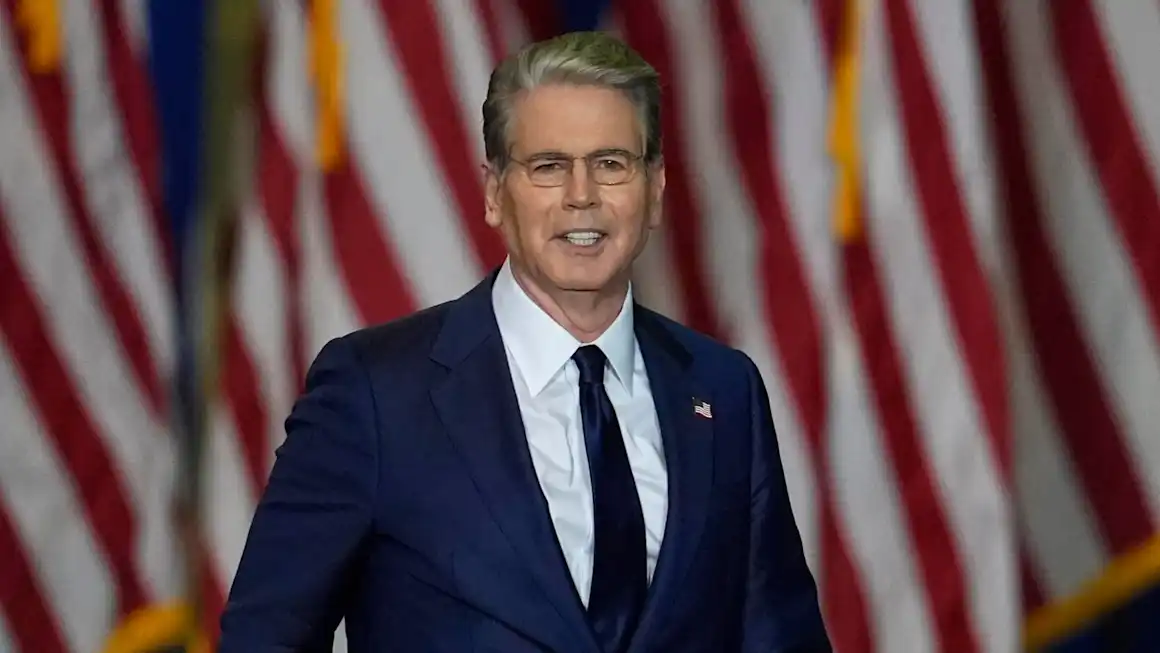
US Treasury Secretary Scott Bessent has intensified public pressure on Nvidia, the world's leading artificial intelligence chipmaker, by calling for a significant leadership change within the company. In a move that signals escalating government scrutiny of the technology sector, Bessent stated that Nvidia needs a 'shake-up' and suggested that an external chief executive officer might be necessary to address current operational and compliance issues. This public intervention marks a notable shift in tone from the administration, highlighting the growing friction between federal regulators and key players in the semiconductor industry.
The core of the administration's concern revolves around Nvidia's adherence to strict federal restrictions on exporting advanced computing chips to China. Bessent demanded to know if the chipmaker is fully complying with these existing limitations, indicating that the Treasury Department is actively monitoring the company's export practices. The request for clarity comes as the US government continues to tighten controls on technology transfers that could potentially benefit China's military or advanced computing capabilities.
Nvidia has long been at the center of the geopolitical struggle over semiconductor technology. The company's high-performance GPUs are critical for training large language models and powering AI infrastructure globally. However, its heavy reliance on the Chinese market has drawn the ire of US policymakers who fear that unchecked exports could undermine national security interests. Bessent's comments suggest that the administration believes the current leadership structure may be insufficient to navigate these complex regulatory landscapes effectively.
Compliance Questions and Regulatory Landscape
The Treasury Secretary's demand for an external CEO is not merely a suggestion for corporate governance reform but is directly tied to the company's ability to manage regulatory compliance. An outside leader might be viewed as more capable of implementing stringent internal controls and distancing the company from practices that could be perceived as circumventing export bans. This perspective reflects a broader trend in Washington where tech CEOs are facing increased expectations to align their business strategies with national security objectives.
While Bessent did not provide specific details on alleged violations, the call for a leadership shake-up implies that the current management's approach to export restrictions has come under fire. The administration is likely assessing whether Nvidia's internal compliance mechanisms are robust enough to prevent unauthorized sales to restricted entities. This scrutiny adds to the existing burden on the company, which must navigate a patchwork of international regulations while maintaining its competitive edge in the global AI race.
The semiconductor industry operates in a highly sensitive environment where geopolitical tensions frequently intersect with commercial interests. Nvidia's situation exemplifies the challenges faced by US tech firms that have expanded their operations globally. The demand for a new CEO could be seen as an attempt to impose a more rigorous compliance culture, one that prioritizes regulatory adherence over rapid market expansion in sensitive regions.
Implications for Nvidia and the Market
If Nvidia were to appoint an external CEO, it would represent one of the most significant leadership changes in the company's history. The current executive team has been instrumental in driving Nvidia's dominance in the AI chip market, and any transition could introduce uncertainty for investors and partners alike. However, such a move might also signal to regulators that the company is taking compliance concerns seriously, potentially easing future government scrutiny.
For the broader market, the comments from Treasury Secretary Bessent serve as a reminder of the regulatory risks facing the technology sector. Investors are closely watching how Nvidia and other chipmakers respond to these pressures, as the outcome could set precedents for how other companies handle export restrictions. The demand for transparency and potential leadership changes underscores the high stakes involved in the intersection of technology, commerce, and national security.
US Treasury Secretary demands to know if chipmaker is complying with restrictions on exports to China.
Key takeaways
- US Treasury Secretary Scott Bessent has publicly stated that Nvidia needs a 'shake-up' and suggested an external CEO.
- The administration is demanding clarity on whether Nvidia is complying with federal restrictions on chip exports to China.
- Nvidia's compliance with export bans is a central point of contention between the company and US regulators.
- The call for leadership change reflects broader government concerns about national security and technology transfers.
- Any potential leadership transition at Nvidia could significantly impact investor sentiment and regulatory relations.





