Presidential Intervention in Corporate Leadership
The intersection of federal government policy and private sector corporate governance has drawn renewed scrutiny following public directives from the US President regarding leadership at Nvidia, one of the world's most valuable technology companies. The President has explicitly called for the reinstatement of Jensen Huang, the company's founder and chief executive officer, marking a significant escalation in executive involvement with the operational structure of a major public corporation.
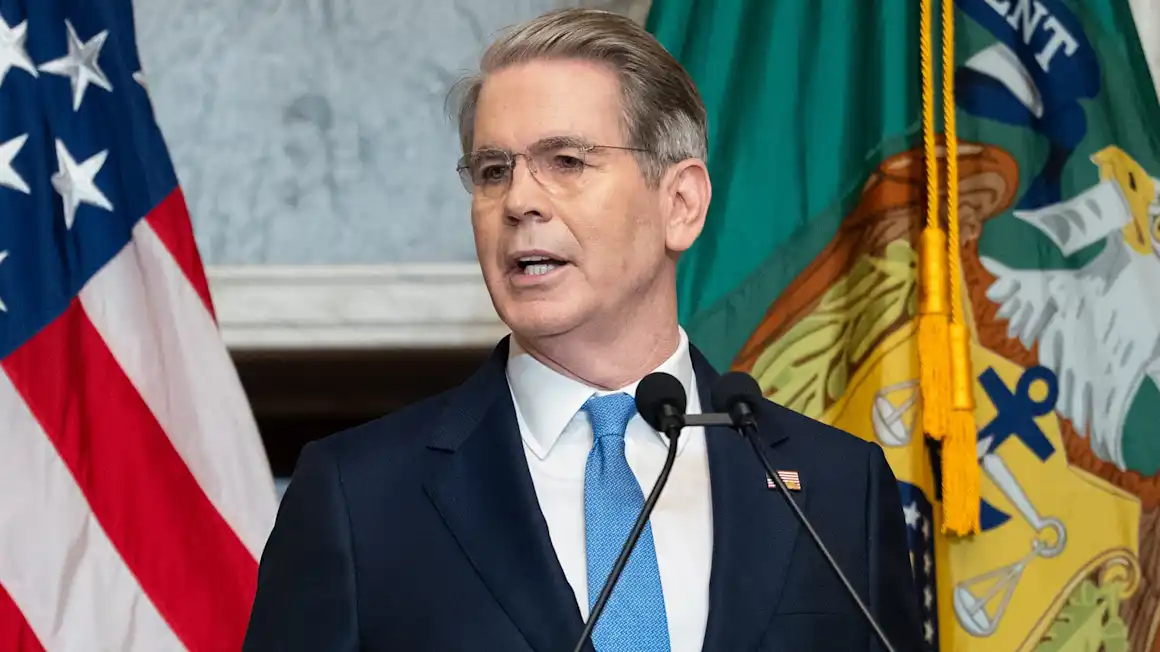
This intervention has placed Treasury Secretary Scott Bessent in a complex position, requiring him to address the implications of such high-level political engagement in corporate affairs. The request for Huang’s return has sparked debate regarding the independence of corporate boards and the extent to which political leadership should influence executive appointments in the technology sector.
Bessent's Response on Executive Authority
When pressed on the matter, Secretary Bessent stopped short of guaranteeing that Huang would be reinstated. In his response, the Treasury Secretary emphasized the importance of determining the locus of decision-making power within the corporate structure. He stated that the situation depends on understanding 'where the buck stops,' a phrase traditionally used to identify the individual or body with final accountability and authority for critical decisions.
Bessent’s refusal to rule out the possibility of Huang’s return does not constitute an endorsement or a commitment. Instead, it reflects a procedural stance, suggesting that the final decision rests with the appropriate governing bodies within Nvidia, rather than being dictated by external political pressure. This distinction highlights the delicate balance the administration seeks to maintain between supporting key industry leaders and respecting corporate governance protocols.
The comments come at a time when Nvidia’s leadership stability is of intense interest to investors and policymakers alike. Huang has been a central figure in the company’s rapid ascent in the artificial intelligence chip market, and any discussion regarding his potential removal or reinstatement carries significant weight in financial markets.
Implications for Corporate Governance
The episode underscores the growing tension between political leadership and corporate autonomy. While the President has the authority to express opinions on economic matters, direct calls for specific executive appointments challenge the traditional separation between government policy and private business operations. Analysts suggest that such interventions could set precedents for future interactions between the White House and major technology firms.
Bessent’s focus on 'where the buck stops' serves as a reminder that ultimate responsibility for Nvidia’s direction lies with its board of directors and shareholders. The Treasury Secretary’s remarks indicate that the administration is aware of these boundaries but is navigating a situation where public expectation and political pressure are high.
As the situation develops, attention will remain fixed on how Nvidia’s board responds to these external pressures. The company’s leadership structure and its ability to maintain independence from political influence will be closely watched by the investment community. The outcome of this situation could influence how future administrations approach similar disputes involving key industry players.
Market and Policy Context
Nvidia’s role in the global technology supply chain makes it a focal point for both economic policy and market performance. The company’s chips are critical for artificial intelligence applications, making its leadership stability a factor in broader economic assessments. Any changes in executive leadership could have implications for the company’s strategic direction and its relationships with government agencies.
The Treasury Secretary’s handling of the issue reflects the administration’s attempt to balance support for domestic tech giants with adherence to standard corporate governance practices. By not ruling out Huang’s return while simultaneously deferring to the appropriate decision-makers, Bessent has maintained a neutral stance that acknowledges the President’s position without compromising institutional norms.
What Happens Next
Observers will be looking for further statements from Nvidia’s board regarding the company’s leadership plans. The resolution of this issue will likely depend on internal deliberations within the company, guided by shareholder interests and long-term strategic goals. The government’s role appears to be limited to expressing views rather than enforcing outcomes, leaving the final decision in the hands of corporate stakeholders.
Key takeaways
- Treasury Secretary Scott Bessent declined to rule out the reinstatement of Jensen Huang as Nvidia’s CEO.
- The US President publicly called for Huang’s return, escalating political involvement in corporate governance.
- Bessent stated that the decision depends on determining 'where the buck stops' within the company’s authority structure.
- The incident highlights tensions between presidential directives and traditional corporate independence.
- Nvidia’s board of directors retains ultimate responsibility for executive appointments despite external pressure.





