Internal Friction Over Semiconductor Policy
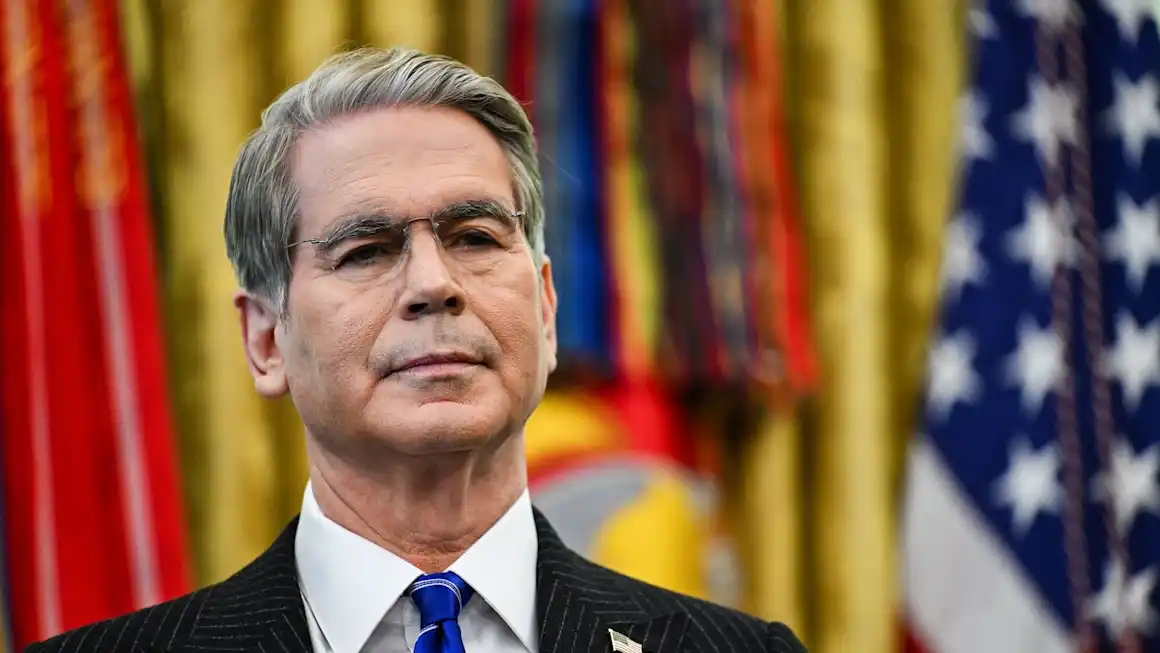
Sal Scott Bessent, the US Treasury Secretary, has openly attributed the failure to blacklist Nvidia to the Commerce Department, marking a significant public dispute within the Trump administration. This salvo suggests deepening rifts between key cabinet members regarding the execution of trade and technology restrictions. The incident has drawn immediate attention to the internal dynamics of the administration as it navigates complex geopolitical pressures involving China and the global semiconductor supply chain.
The core of the controversy revolves around the exclusion of Nvidia from a specific blacklist, a decision that Bessent claims was neglected by the Commerce Department. This failure is viewed by some administration officials as a strategic oversight that could undermine US efforts to curb technological advancements in rival nations. The dispute highlights the ongoing struggle to align the Treasury’s financial sanctions with the Commerce Department’s export controls, two pillars of US economic statecraft.
Nvidia, a dominant player in the artificial intelligence chip market, has been at the center of intense regulatory scrutiny. The company’s products are critical for AI development, making its inclusion or exclusion from trade lists a matter of national security and economic competitiveness. The failure to blacklist the firm has sparked debates among policymakers about the effectiveness of current restrictions and the potential for adversaries to exploit loopholes in US trade policy.
Risks to Administrative Cohesion
Publicly blaming another department for policy failures is an unusual step for a Treasury Secretary and signals a lack of cohesion in the administration’s approach to foreign trade. This public discord could complicate negotiations with allies and adversaries alike, as it reveals inconsistencies in how the US government enforces its trade regulations. The incident serves as a stark reminder of the challenges involved in coordinating multiple agencies with overlapping mandates in the realm of international economics.
The tensions over the Nvidia blacklist are not merely bureaucratic; they have real-world implications for global markets and technology sectors. Investors and industry leaders are closely monitoring the situation, as any shifts in policy could impact stock prices, supply chains, and international relations. The administration’s ability to present a united front on such critical issues will be tested in the coming months as it seeks to balance economic interests with national security concerns.
Analysts suggest that the dispute could lead to a reevaluation of how the Treasury and Commerce departments collaborate on future sanctions. The incident may prompt a more rigorous review of the decision-making processes that led to the oversight, with potential reforms aimed at preventing similar occurrences. The administration will likely face pressure to clarify its stance and ensure that all relevant agencies are aligned in their efforts to enforce trade restrictions.
What Happens Next
As the administration grapples with this internal disagreement, the focus will likely shift to how these tensions will be resolved. The outcome could influence the direction of US trade policy in the near future, particularly regarding the treatment of key technology firms. Stakeholders across the financial and technology sectors will be watching closely for any signs of policy shifts or administrative changes that could impact the global landscape.
The public nature of the dispute has also raised questions about the communication strategy within the Trump administration. Critics argue that such open conflicts undermine the government’s credibility and effectiveness in implementing its economic agenda. Supporters, however, may view the dispute as a sign of vigorous debate and the importance of checking power within the executive branch.
Regardless of the underlying motivations, the incident underscores the complexities of managing a diverse and often fragmented administration. The challenge for Bessent and other officials will be to navigate these internal dynamics while maintaining a consistent and effective approach to international trade. The coming weeks will be critical in determining whether this dispute escalates further or is resolved through internal negotiations.
Key takeaways
- Treasury Secretary Sal Scott Bessent has publicly blamed the Commerce Department for the failure to blacklist Nvidia.
- The dispute highlights internal tensions within the Trump administration over trade policy and semiconductor regulations.
- Nvidia’s exclusion from the blacklist has sparked debates about the effectiveness of US export controls.
- The public nature of the disagreement risks undermining the administration’s cohesive front on foreign trade.
- Industry leaders and investors are closely monitoring the situation for potential policy shifts.
- The incident may lead to a reevaluation of inter-agency collaboration on sanctions and trade restrictions.





