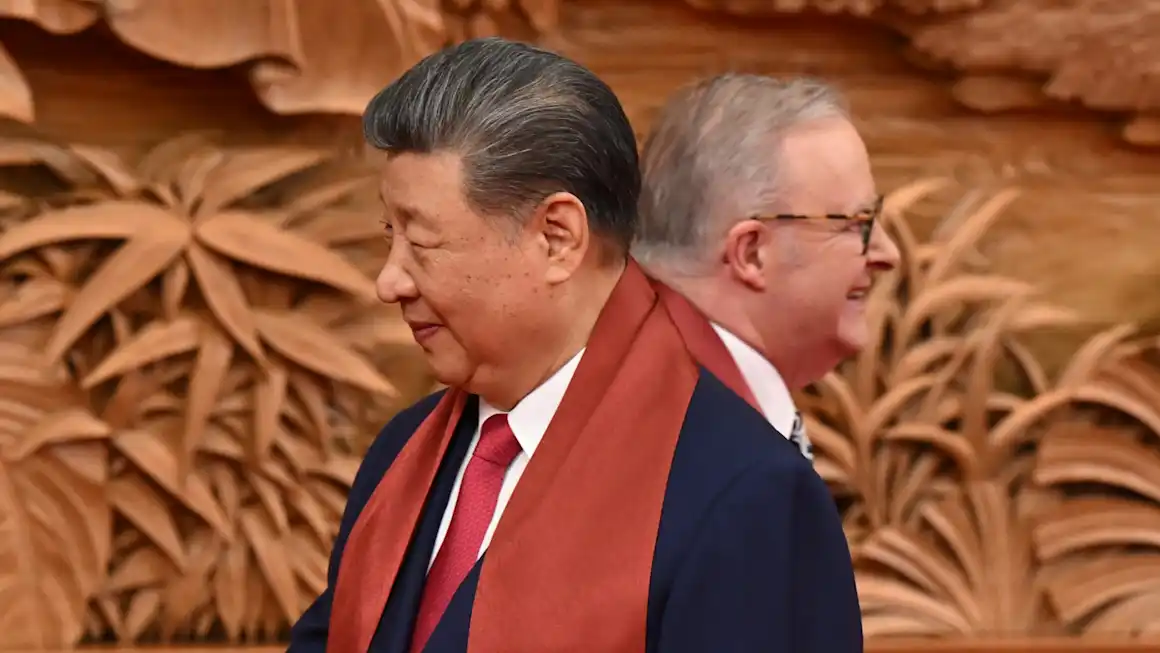
Diplomatic Engagement on the Horizon
Prime Minister Anthony Albanese is preparing for a significant diplomatic engagement as he is scheduled to hold bilateral talks with Chinese President Xi Jinping. The meeting is set to take place on Friday, marking a crucial juncture in the diplomatic relationship between Australia and China. This high-level dialogue comes at a time when economic ties between the two nations are under intense examination, particularly concerning the flow of critical commodities that drive the Australian economy.
The upcoming discussions are expected to cover a broad spectrum of bilateral issues, with a notable focus on trade relations. As one of the world's largest exporters of iron ore, Australia's economic stability is closely linked to its export markets, with China being the primary destination for these resources. The timing of the meeting suggests that both governments recognize the importance of maintaining open channels of communication to address any emerging frictions that could impact trade flows.
Iron Ore Tensions Loom Large
The backdrop to these talks is the persistent tension surrounding iron ore trade. Iron ore is a cornerstone of the Australian mining industry, and China's demand for this resource has historically been a key pillar of the economic relationship between the two countries. However, recent developments have introduced an element of uncertainty, with reports indicating that tensions are rising regarding export policies and market access.
These tensions are not merely theoretical; they have tangible implications for the Australian economy. The iron ore sector contributes significantly to national revenue, and any disruption in exports to China could have cascading effects on local industries, employment, and government budgets. The diplomatic meeting is therefore seen as an opportunity to clarify expectations and potentially mitigate risks that could arise from trade disputes or regulatory changes in either country.
Observers note that the geopolitical landscape adds another layer of complexity to these negotiations. With global supply chains facing ongoing disruptions and shifting trade alliances, the Australia-China relationship is being watched closely by international markets. The outcome of the talks could signal whether the two nations are moving towards a more cooperative economic framework or if underlying disagreements will lead to further estrangement.
What Happens Next
As the Friday meeting approaches, market participants and policymakers alike are awaiting clarity on the agenda and the potential outcomes. While specific details of the discussions have not been fully disclosed, the focus on iron ore suggests that economic diplomacy will play a central role. Both leaders are likely to address the need for stable trade environments that benefit their respective economies.
The resolution or escalation of tensions during this meeting could have lasting effects on the broader Asia-Pacific trade dynamic. For Australian investors and businesses, the results of these talks will provide insight into the future trajectory of export markets. Any agreements or misunderstandings that arise will be closely analyzed for their impact on commodity prices and trade volumes in the coming months.
Historically, such high-level engagements have served as platforms for both celebrating cooperative successes and addressing contentious issues. The current climate suggests that the latter may be more prominent, given the reported tensions. However, the willingness of both leaders to meet indicates a mutual interest in preserving the relationship despite challenges.
The international community is also likely to take note of the developments. As major economies navigate the complexities of decoupling and re-coupling supply chains, the Australia-China dynamic serves as a case study for how resource-dependent nations can manage their relationships with their largest trading partners. The stakes are high, and the outcome of these talks will be a key indicator of future economic stability in the region.
Key takeaways
- Prime Minister Anthony Albanese is scheduled to hold bilateral talks with Chinese President Xi Jinping on Friday.
- The meeting occurs amidst growing tensions regarding iron ore exports and trade policies between the two nations.
- Iron ore is a critical export for Australia, with China being the primary market for these resources.
- Trade tensions have significant implications for the Australian economy, affecting revenue and industry stability.
- Both governments recognize the importance of diplomatic engagement to address economic frictions.





