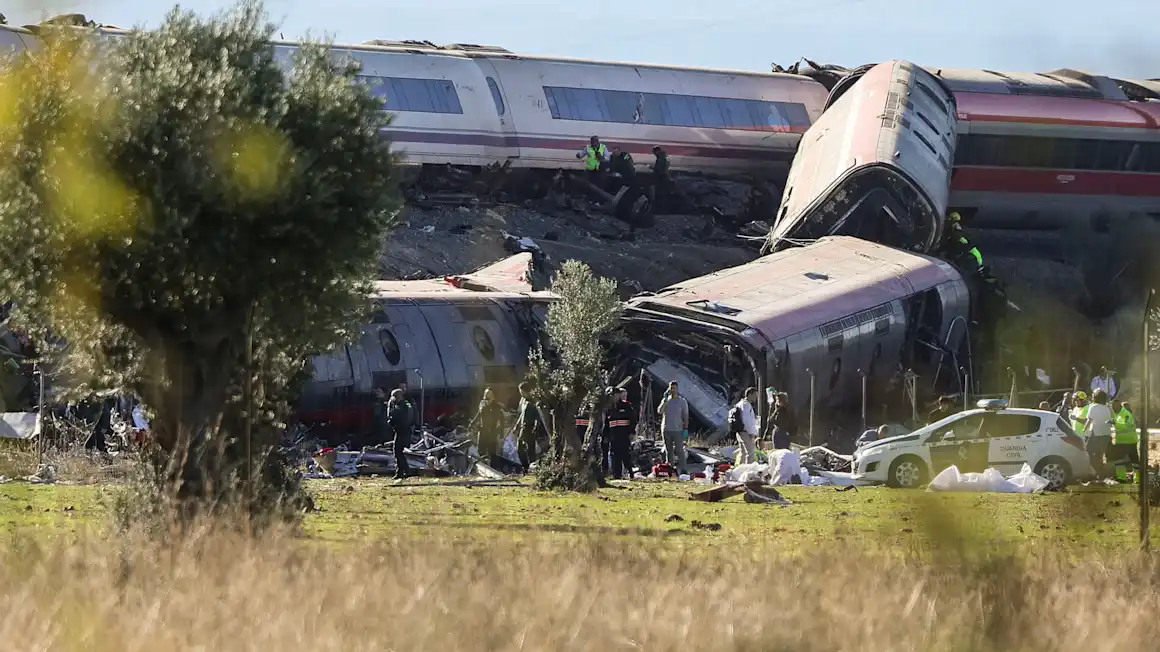
A Tragic Collision Near Toledo
A catastrophic collision involving high-speed trains has occurred in Spain, resulting in the deaths of at least 30 individuals. The incident took place near Toledo, a historic city located south of the capital, Madrid. This devastating event has sent shockwaves through the nation, prompting an immediate and comprehensive investigation by authorities. The scale of the tragedy has drawn widespread attention, highlighting the severe consequences of failures within the country's high-speed rail infrastructure.
The exact circumstances surrounding the crash are still being determined by investigators. However, the proximity to Madrid and the high-speed nature of the trains involved suggest a complex operational environment where safety protocols are critical. Emergency services responded rapidly to the scene, mobilizing extensive resources to manage the aftermath. The region has been placed on high alert as authorities work to secure the area and begin the arduous process of identifying victims and understanding the sequence of events that led to the collision.
Part of a Growing Pattern of Rail Incidents
This latest tragedy is not an isolated incident in Spain's rail history. It follows a fatal derailment in the Andalusia region in January, which resulted in the death of 46 passengers. That earlier accident, which occurred on the high-speed line between Seville and Madrid, already raised serious concerns regarding the safety standards of the network. The recurrence of such deadly accidents within a short timeframe has intensified scrutiny on the operators and regulatory bodies responsible for maintaining the rail system.
Public reaction to the Toledo collision has been one of grief and anger. Many citizens are calling for a thorough review of safety measures and accountability from those responsible for the maintenance and operation of the high-speed trains. The government has pledged to support the families of the victims and to ensure that a transparent investigation is conducted. The pressure is mounting on officials to provide clear answers and to implement necessary changes to prevent future occurrences.
The economic and social impact of this disaster is expected to be significant. The high-speed rail network is a vital component of Spain's transportation infrastructure, connecting major cities and facilitating both business and leisure travel. Disruptions to the service are likely to affect thousands of passengers in the coming days and weeks. Insurance claims, legal proceedings, and potential compensation for victims' families will also contribute to the long-term repercussions of this event.
Investigations and Future Implications
Authorities have launched a full-scale investigation to determine the cause of the collision. Factors under consideration include mechanical failure, signaling errors, human error, and external conditions. The black box data from the trains will be crucial in reconstructing the final moments before the impact. Investigators are also examining the track conditions and the performance of the signaling system in the area.
The implications of this crash extend beyond the immediate loss of life. It may lead to stricter regulations and more rigorous safety audits across the rail industry. The incident has reignited debates about the balance between speed, efficiency, and safety in modern transportation systems. Stakeholders are urging for a holistic approach that prioritizes passenger safety above all else, regardless of the costs involved in implementing new measures.
As the investigation continues, the focus remains on providing support to the affected families and ensuring that justice is served. The coming weeks will be critical in shaping the response from both the government and the rail operators. The outcome of the investigation will likely influence policy decisions and operational practices for years to come, potentially reshaping the landscape of high-speed rail travel in Spain.
Key takeaways
- At least 30 people have died in a high-speed train collision near Toledo, south of Madrid.
- The incident follows a fatal derailment in Andalusia in January that killed 46 passengers.
- Authorities have launched a full investigation to determine the cause of the crash.
- The tragedy has intensified scrutiny on Spain's high-speed rail safety standards.
- Emergency services responded rapidly to secure the scene and assist victims.





