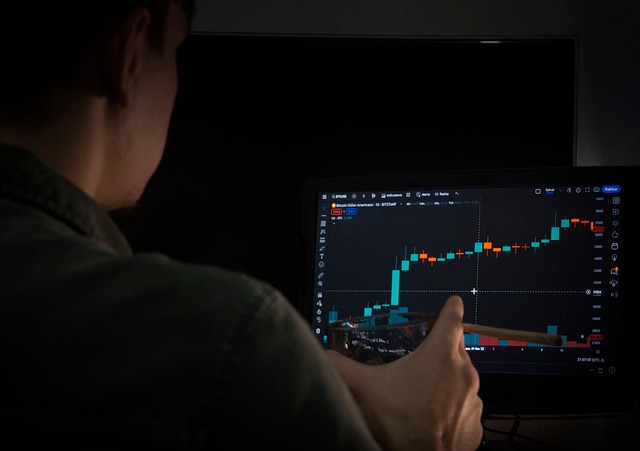
Regulatory Intervention Intensifies
Financial authorities across Asia have moved swiftly to stabilize local markets following a period of heightened volatility and declining investor confidence. The coordinated efforts come in response to a broad-based retreat from risk assets, with particular intensity focused on the technology sector. Regulators are deploying a mix of liquidity injections and regulatory guidance to curb panic selling and restore orderly trading conditions. This intervention marks a significant shift in policy tone, signaling that authorities are closely monitoring market sentiment and are prepared to act decisively to prevent systemic disruptions.
The primary target of this regulatory support is the semiconductor and hardware supply chain, which has borne the brunt of the market downturn. Shares of regional chipmakers and hardware suppliers have proven especially vulnerable to the sudden turn in investor sentiment. These companies, which had seen substantial valuation premiums during the height of the artificial intelligence boom, are now facing intense pressure as earnings forecasts are revised downward and growth expectations are recalibrated.
Analysts note that the vulnerability of these specific sectors is linked to their heavy reliance on continued capital expenditure from global tech giants. When the narrative around artificial intelligence adoption slows, the immediate impact is felt by the manufacturers supplying the necessary infrastructure. The recent sell-off has erased significant market capitalization from key players in the region, prompting concerns about the broader health of the export-driven economies that depend on these high-tech industries.
The Falters of the AI Narrative
At the heart of the market correction is a growing skepticism regarding the pace of monetization for artificial intelligence technologies. While the initial enthusiasm for AI-driven growth was undeniable, the lack of immediate, tangible returns has led investors to reassess the sustainability of current valuations. The 'AI trade,' which had become a dominant force in driving market indices higher, is now undergoing a painful but necessary correction. This shift in sentiment is not necessarily a rejection of the technology itself, but rather a recalibration of expectations regarding profitability and timeline.
The correction has exposed the fragility of supply chains that had expanded rapidly to meet speculative demand. As orders are delayed or canceled, hardware suppliers are left with excess inventory and reduced cash flows. This fundamental deterioration in business conditions has compounded the market's technical weakness, creating a feedback loop where falling stock prices lead to reduced access to capital, which in turn hampers operational flexibility.
Market participants are closely watching for signs of stabilization in these critical sectors. The ability of chipmakers to pivot their strategies or secure new contracts outside of the immediate AI hype cycle will be crucial in determining the depth of the correction. Investors are also looking for clarity from regulators on the long-term support framework, hoping that sustained intervention will provide a floor for asset prices and encourage renewed institutional interest.
Outlook and Market Dynamics
The immediate future for Asian markets depends on the effectiveness of the regulatory measures and the response from corporate earnings. While the intervention has halted the steepest declines, the underlying fundamentals of the AI sector remain under scrutiny. Companies are expected to provide more detailed guidance on their AI-related revenues and cost structures in upcoming reporting periods. This transparency will be vital in distinguishing between businesses with genuine technological advantages and those that were merely riding the wave of speculation.
Global market dynamics also play a role in the regional outlook. Any shifts in monetary policy from major central banks, particularly the United States Federal Reserve, will influence capital flows into Asian markets. A more dovish stance could provide additional liquidity, supporting the recovery of tech stocks. Conversely, persistent inflationary pressures could limit the scope for further regulatory intervention, leaving markets to find their own equilibrium.
As the dust settles, the focus will shift from short-term price action to long-term structural changes in the technology industry. The AI trade is unlikely to disappear entirely, but its role in driving market returns may evolve. Investors are advised to remain cautious and selective, recognizing that the period of easy money and rapid valuation expansion has passed. The coming months will test the resilience of the region's technology sector and the efficacy of the regulatory support mechanisms put in place.
Key takeaways
- Asian regulators are rushing to support sagging markets through coordinated intervention measures.
- Shares of regional chipmakers and hardware suppliers have been especially vulnerable to the current turn in sentiment.
- The rapid sell-off is driven by a faltering AI trade and revised growth expectations in the technology sector.
- Market stability now depends on the effectiveness of regulatory support and upcoming corporate earnings reports.
- Investors are reassessing valuations as the immediate monetization of AI technologies faces scrutiny.





