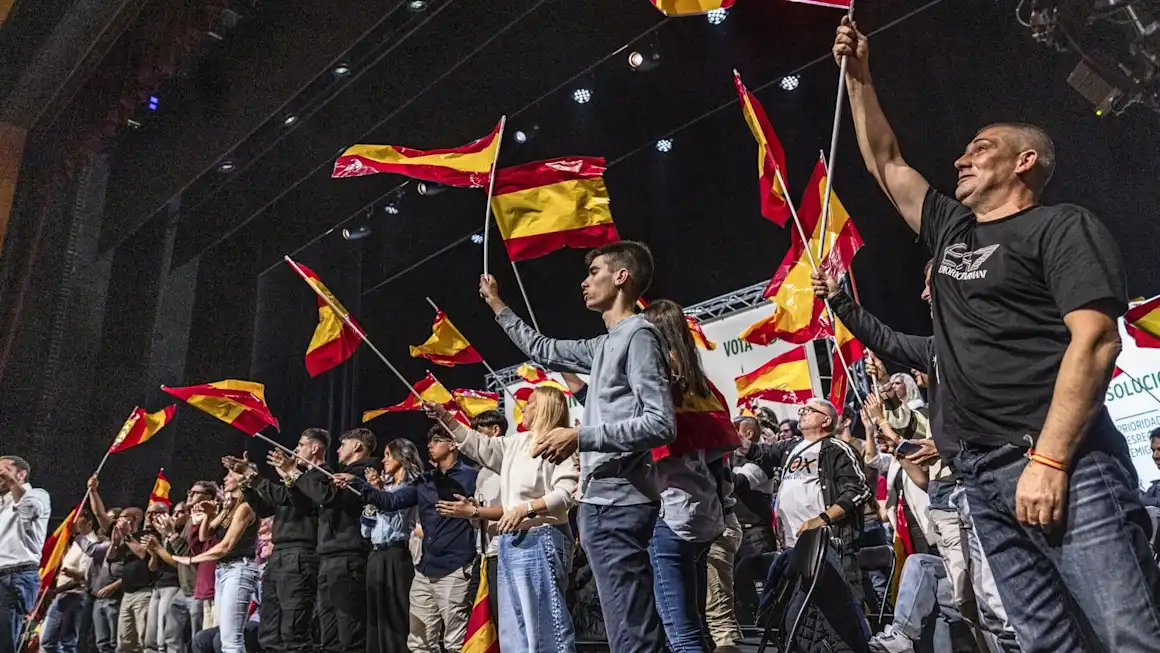
A Historic Political Shift
In a dramatic turn of events that has sent ripples through European politics, Spanish voters have moved to oust Prime Minister Pedro Sánchez. This electoral outcome propels the radical right into a coalition government for the first time since the end of the Franco era. The result signals a profound transformation in Spain’s democratic trajectory, ending the socialist administration’s tenure and ushering in a new political era defined by right-wing leadership.
The election results reflect a deepening divide within the Spanish electorate, often described by analysts as a conflict between 'two Spains.' This term historically refers to the cultural and political polarization that has characterized Spanish society, particularly following the transition to democracy. The current vote suggests that the electorate is increasingly rejecting the centrist or left-leaning policies associated with the previous administration in favor of a more conservative, radical right platform.
Consequences of the Electoral Verdict
The ousting of Sánchez marks the end of his leadership and the beginning of a complex coalition-building process. The radical right, which has historically been marginalized in mainstream governance due to its association with the Francoist past, is now positioned to share power. This development is significant as it legitimizes right-wing politics in post-Franco Spain, challenging the traditional political consensus that has dominated since the 1970s.
Observers note that the 'two Spains' narrative is not merely a historical relic but a living reality in contemporary politics. The election results indicate that a substantial portion of the population feels disconnected from the policies of the previous government. This sentiment has driven voters toward parties that promise a break from the status quo, emphasizing national sovereignty, traditional values, and a reevaluation of Spain’s role within the European Union.
The transition of power will likely involve intense negotiations as various right-wing factions seek to align their differing policy priorities. The coalition government will need to address immediate economic concerns, social stability, and international relations. The shift in power could also impact Spain’s stance on key European issues, potentially altering the dynamics of the EU’s political balance.
Looking Ahead
As the new coalition takes shape, the focus will turn to policy implementation. The radical right’s agenda will likely prioritize economic deregulation, stricter immigration controls, and a reexamination of regional autonomy, particularly regarding Catalonia. These policies represent a stark contrast to the progressive measures enacted by Sánchez’s government.
The international community will watch closely as Spain’s political realignment unfolds. Neighboring countries and EU partners will need to adapt to a new Spanish leadership that may pursue a more nationalist and less integrated approach to European affairs. The stability of the coalition will be tested by internal disagreements and external pressures, making the early months of the new government critical.
Key takeaways
- Voters have ousted Prime Minister Pedro Sánchez in a decisive electoral shift.
- A radical right coalition government is being formed for the first time since Franco.
- The election highlights the enduring 'two Spains' political divide.
- The new government will likely pursue conservative economic and social policies.
- Spain’s role in the European Union may face significant changes under the new leadership.





