The Race for Legislative Supremacy
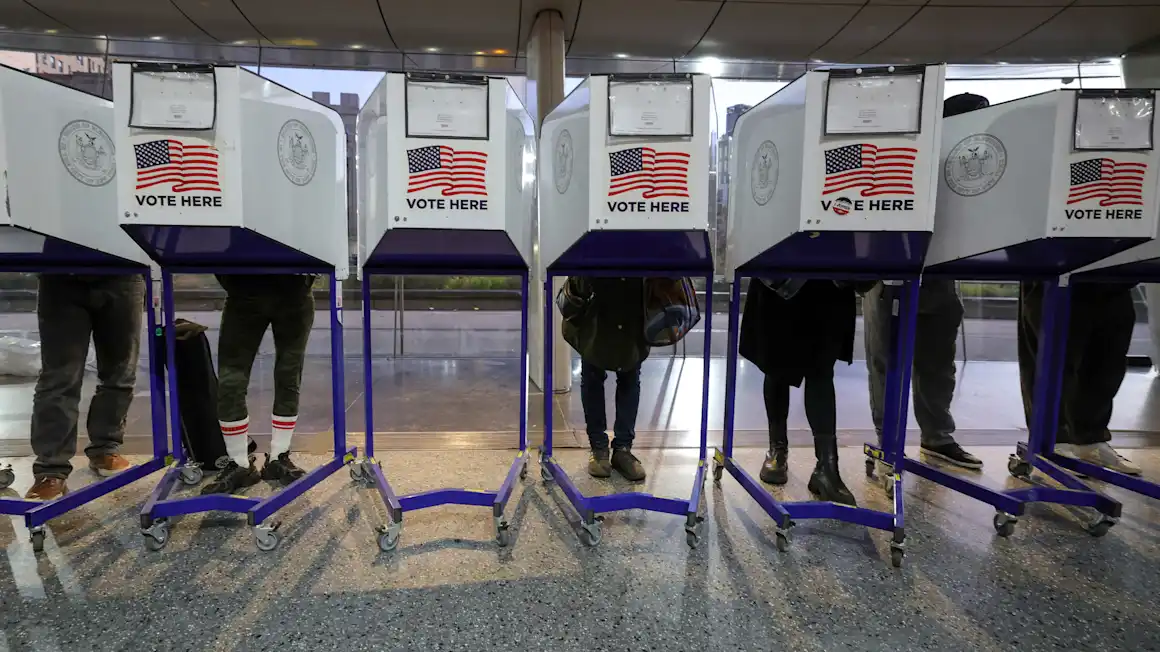
The United States has entered a critical phase in its biennial election cycle, with voters in numerous states beginning the process of casting ballots to determine the future control of Congress. As of Tuesday, early voting has commenced in various jurisdictions, allowing citizens to vote in person before Election Day or by mail. This early turnout is a significant indicator of voter engagement and sets the initial tone for what promises to be a fiercely contested battle for the majority in both the House of Representatives and the Senate.
The stakes for this election are exceptionally high, as the outcome will dictate the legislative agenda and the balance of power within the federal government. With the House of Representatives up for election in its entirety and a third of the Senate seats contested, the results will have immediate implications for policy-making, budget approvals, and the confirmation of judicial and executive appointments. The party that secures control of each chamber will gain the ability to set committee assignments, influence the legislative schedule, and potentially block or advance the opposing party's priorities.
Early voting procedures vary significantly by state, with some jurisdictions offering extensive in-person early voting periods while others rely heavily on mail-in ballots. This disparity has led to complex logistical challenges and heightened scrutiny over voting access and security. Election officials are working around the clock to process the initial wave of ballots, ensuring that every valid vote is counted according to state laws. The diversity in voting methods underscores the decentralized nature of American elections, where state and local governments administer the process under federal constitutional frameworks.
Voter turnout in the early voting period has been notable in several key states, suggesting a high level of interest in the congressional races. Political analysts are closely monitoring these early numbers, as they often correlate with final election outcomes, particularly in competitive districts and states. The ability of both major parties to mobilize their bases and persuade swing voters will be crucial in the final stretch before the general election on Tuesday, November 5. Campaigns have intensified their ground games, focusing on get-out-the-vote efforts to ensure that supporters cast their ballots in the final days.
The Senate race is particularly intricate, with several high-profile contests determining the narrow majority in the upper chamber. A shift of even a few seats could alter the balance of power, potentially leading to a divided Congress if one party controls the House while the other controls the Senate. This scenario has historically resulted in legislative gridlock, making the outcome of these specific Senate races a focal point for political observers and policy experts alike. The implications extend beyond domestic policy, influencing the United States' approach to international relations and global economic strategy.
Logistical Challenges and Voter Access
As the voting process continues, election administrators are facing the dual challenges of ensuring security and maintaining accessibility. The reliance on mail-in ballots, accelerated by recent changes in election laws and the ongoing health considerations, has required robust verification processes to prevent fraud while accommodating voters who prefer this method. States are implementing strict deadlines for ballot receipt and processing, which has led to some legal disputes and public confusion. Clarity on these procedures is essential for voters to understand when their ballots will be counted and how they can verify their submission status.
The political landscape is marked by intense partisan competition, with both Democrats and Republicans investing heavily in advertising and outreach in swing districts. The messaging from both sides highlights the importance of the election, framing the congressional control as a mandate for their respective policy platforms. This high-stakes environment has energized donors and activists, leading to record-breaking fundraising totals for congressional campaigns. The flow of money into these races reflects the perceived significance of the outcome for the future direction of the country.
Looking ahead, the focus will shift to the final push for voters in the remaining days before Election Day. Polls will open on Tuesday, November 5, marking the culmination of the early voting period. Election officials have urged voters to check their registration status and voting locations in advance to avoid any issues on the day of the election. The processing of mail-in ballots, which must begin in many states prior to Election Day, will continue through the weekend, with results likely to be reported in waves as votes are tallied.
Implications for Governance
The outcome of these elections will have profound implications for the governance of the United States in the coming years. A unified government, where one party controls both chambers and the presidency, would have greater capacity to enact its legislative agenda. Conversely, a divided government would necessitate negotiation and compromise, potentially slowing the pace of policy changes. The results will also influence the confirmation of federal judges, including potential Supreme Court vacancies, adding another layer of long-term significance to the vote.
As the nation awaits the final results, the emphasis remains on the peaceful transition of power and the integrity of the electoral process. The early voting period has demonstrated the resilience of the American democratic system, with millions of citizens participating in the decision-making process. The final numbers will not only determine who sits in Congress but also reflect the current political sentiment of the electorate, providing a mandate for the winning party to pursue its policy goals.
Key takeaways
- Early voting has commenced in various states, allowing citizens to cast ballots before the November 5 general election.
- The election determines full House membership and one-third of the Senate seats, setting the balance of legislative power.
- Voting procedures and access vary by state, with a significant reliance on mail-in ballots in many jurisdictions.
- High voter engagement and record fundraising indicate the intense competitive nature of the congressional races.
- The outcome will dictate the legislative agenda and influence the confirmation of federal judges and appointments.





