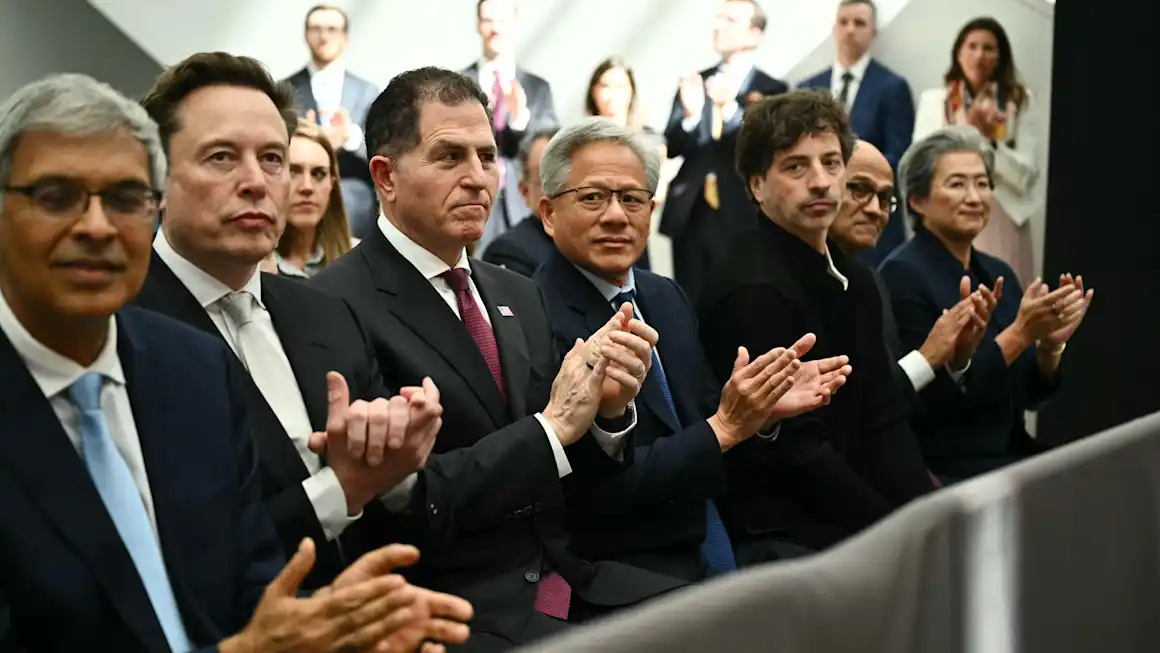
Shifting Alliances in Tech and Politics
Silicon Valley’s once-unwavering support for Donald Trump has fractured, marking a significant turning point in the relationship between the technology sector and the former president. In the wake of the midterm elections, where the anticipated political dividends failed to materialize for Trump-aligned candidates, numerous high-profile tech executives have begun to distance themselves from their previous public endorsements. This retreat signals a broader reassessment among industry leaders who had previously aligned their political strategies with the Republican frontrunner, only to see their efforts yield limited results in key congressional races.
The midterms served as a stark reality check for the tech industry’s political engagement. Despite substantial financial contributions and vocal advocacy from AI executives and venture capitalists, several pro-Trump campaigns underperformed. This outcome has triggered an internal debate within Silicon Valley about the efficacy of such high-stakes political bets. Industry insiders note that the failure to secure desired legislative outcomes has led to a cooling of the enthusiastic support that characterized the early stages of the election cycle.
At the heart of this strategic pivot is the artificial intelligence sector, which had positioned itself as a key beneficiary of Trump’s deregulatory promises. However, the political landscape has shifted, and AI leaders are now evaluating how best to protect their interests in a changing regulatory environment. The alliance that once seemed mutually beneficial is now viewed through a lens of cautious pragmatism, with many executives recognizing that political alignment alone does not guarantee favorable policy outcomes.
"The midterms have forced a hard look at our political strategy," noted one anonymous AI executive involved in the initial outreach. "We entered the cycle with high hopes, but the results suggest that our influence is more limited than we initially believed."
Financial data from the election cycle reveals that tech contributions flowed heavily toward candidates who aligned with Trump’s platform, yet these investments did not translate into the expected political capital. The disconnect between spending and results has prompted a reevaluation of campaign financing strategies. Some firms are now considering a more diversified approach, spreading resources across multiple parties rather than concentrating support on a single political figure or party.
The implications for the tech industry’s future political engagement are profound. As leaders plot a new political strategy, the focus is shifting toward building broader coalitions that extend beyond traditional partisan lines. This approach aims to create more sustainable advocacy efforts that can withstand the volatility of electoral politics. The goal is to establish a more resilient framework for influencing policy, particularly in areas such as data privacy, AI regulation, and innovation incentives.
What Happens Next for Tech Lobbying
Looking ahead, the tech sector is likely to adopt a more nuanced approach to political engagement. Rather than relying on high-profile endorsements, industry leaders may focus on grassroots lobbying and policy-specific advocacy. This shift reflects a growing recognition that political influence requires sustained effort and diverse partnerships, rather than sporadic bursts of support during election cycles.
AI executives, in particular, are seeking to engage with policymakers on a technical level, providing expertise and insights that can shape regulatory frameworks. This strategy aims to build credibility and trust with lawmakers across the political spectrum, reducing the risks associated with partisan alignments. By positioning themselves as essential partners in addressing complex technological challenges, tech leaders hope to secure a more stable and favorable operating environment.
The broader implications of this shift extend beyond individual companies to the tech industry as a whole. As Silicon Valley recalibrates its political strategy, the sector is likely to play a more active role in shaping the national dialogue on technology and governance. This evolution could lead to more effective advocacy efforts and a greater influence on policy decisions that impact innovation and economic growth.
Key takeaways
- Silicon Valley elites are abandoning public support for Donald Trump following disappointing midterm election results.
- AI executives and venture capitalists are reassessing their political engagement strategies after failing to secure desired legislative outcomes.
- The tech sector is shifting from high-profile partisan endorsements to a more diversified and nuanced approach to lobbying.
- Financial contributions to pro-Trump campaigns did not translate into the expected political capital, prompting a strategic rethink.
- Future tech advocacy will likely focus on building broader coalitions and engaging policymakers on technical issues.





