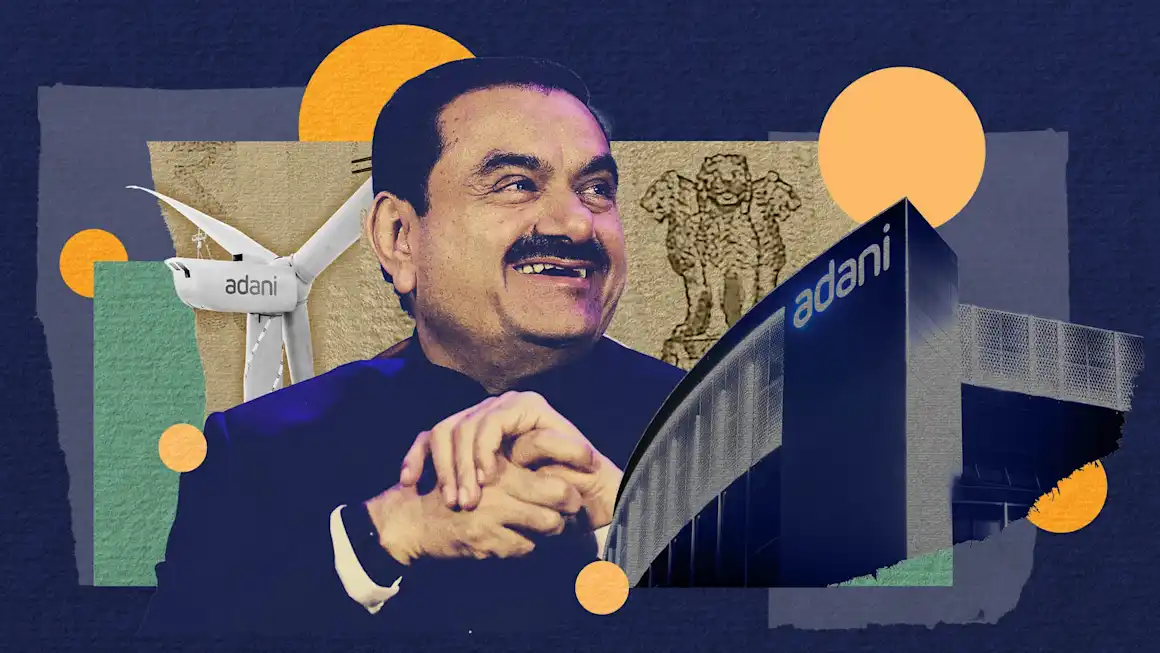
From Scandal to Stability
Three years ago, the Indian business landscape was shaken by intense scrutiny surrounding Gautam Adani, the billionaire tycoon at the center of Prime Minister Narendra Modi’s India. At that time, Adani was actively fending off a barrage of lawsuits and serious accusations of fraud that threatened to unravel his sprawling business empire. The allegations, which gained global traction through investigative reports, cast a long shadow over one of Asia’s most visible corporate success stories, raising questions about governance and transparency in emerging markets.
Today, the narrative has shifted dramatically. While the legal and regulatory complexities remain, the visual and operational reality of the Adani Group looks more powerful than ever. The conglomerate, which spans ports, power generation, airports, and data centers, has continued its aggressive expansion strategy. This resurgence suggests a resilience that has allowed the group to maintain its trajectory despite the earlier crises, reinforcing its status as a key infrastructure provider in the world’s most populous nation.
Strategic Expansion Amidst Turmoil
The Adani Group’s operations are deeply integrated into India’s national development goals. Its portfolio includes critical infrastructure assets that are essential for the country’s economic growth. From managing several of India’s busiest ports to operating a significant portion of the country’s thermal power capacity, the group’s footprint is ubiquitous. The ability to continue this expansion, even after facing severe headwinds, highlights the strategic importance the Indian government places on these assets.
Investors and analysts have noted the volatility associated with the stock market movements of Adani-listed companies. During the height of the controversy, market capitalization for the group’s entities saw dramatic fluctuations. However, subsequent periods have seen stabilization, with the group’s businesses continuing to secure new contracts and expand their operational reach. This stability is crucial for maintaining investor confidence in the broader Indian market, particularly among international funds that monitor ESG (Environmental, Social, and Governance) criteria closely.
The Political and Economic Context
Adani’s prominence is inextricably linked to the political landscape of India. As a close ally of Prime Minister Narendra Modi, the tycoon’s business interests often intersect with state policy. The current administration has emphasized infrastructure development as a cornerstone of its economic agenda, a mission that aligns directly with the Adani Group’s core competencies. This synergy has allowed the company to secure numerous large-scale projects, further entrenching its role in the nation’s economic fabric.
The resurgence of the Adani empire also reflects broader trends in the Indian economy. Despite global economic uncertainties and rising interest rates, domestic consumption and infrastructure spending remain robust. The Adani Group’s ability to navigate the post-allegation environment demonstrates the complex interplay between corporate power, political influence, and regulatory frameworks in emerging economies. It serves as a case study in how high-profile business controversies can impact, and potentially be survived by, large conglomerates with significant state ties.
Looking Ahead
As the Adani Group moves forward, it faces the ongoing challenge of maintaining transparency and governance standards that meet international expectations. The initial accusations of fraud have prompted calls for greater regulatory oversight and clearer disclosure practices. While the immediate crisis has passed, the long-term implications for corporate governance in India remain a topic of intense debate among policymakers and business leaders.
The group’s future performance will likely be closely watched by investors and regulators alike. Any further developments in legal proceedings or regulatory investigations could impact the group’s standing. However, for now, the empire appears to have weathered the storm, emerging with its core business operations intact and its strategic position in the Indian market strengthened.
Key takeaways
- Three years ago, Gautam Adani faced severe lawsuits and accusations of fraud that threatened his business empire.
- Today, the Adani Group’s business operations appear more powerful and stable than they did during the height of the controversy.
- The conglomerate continues to expand its footprint in critical infrastructure sectors such as ports, power, and airports.
- Adani’s business growth is closely aligned with the Indian government’s infrastructure development agenda under Prime Minister Narendra Modi.
- International investors continue to monitor the group’s governance practices and market performance closely.





