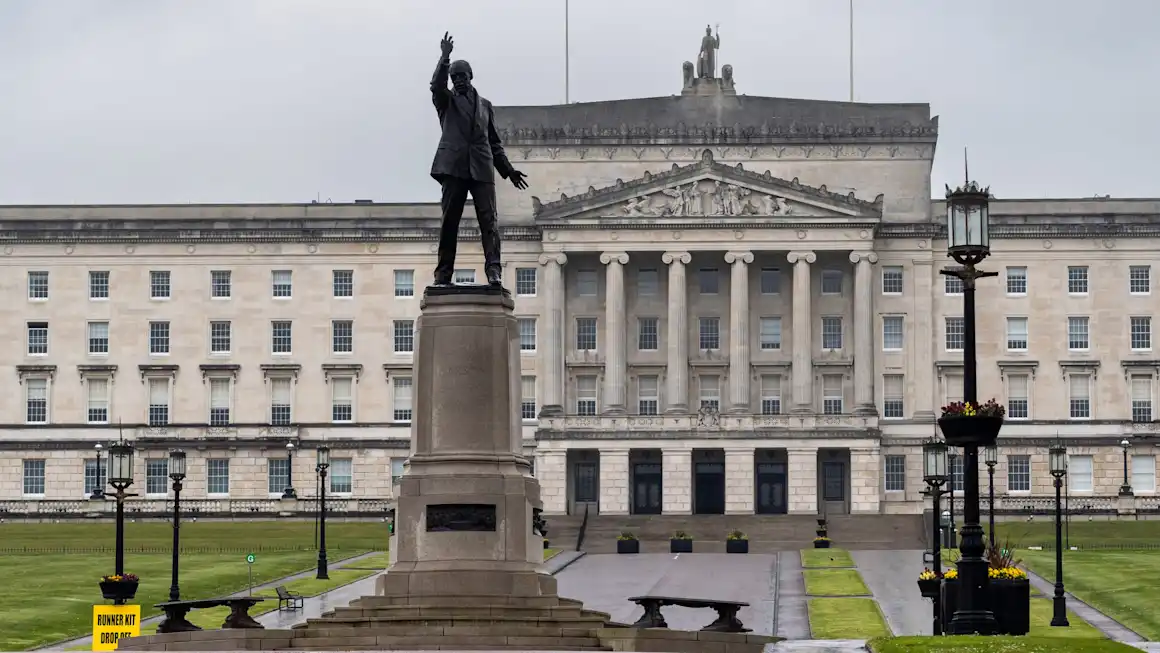
A Policy Shift with Historical Weight
The Irish government in Dublin has launched a new initiative that places the concept of Irish unity squarely back into the center of political discourse. This move is not merely symbolic; it serves as a comprehensive framework designed to examine both the practical challenges and the potential benefits of a united island. By shining a light on these dual aspects, the initiative aims to foster a more informed public conversation about the future constitutional status of the island, moving beyond historical rhetoric to address contemporary realities.
For decades, the question of Irish unity has been a subject of intense debate, often overshadowed by the immediate economic and political pressures of the present. This new policy effort represents a deliberate attempt to re-evaluate the arguments for and against unification in a post-Brexit context. The initiative acknowledges that the geopolitical landscape has shifted significantly, necessitating a fresh look at how a united Ireland might function in the modern global economy.
Economic and Political Obstacles
Central to the initiative is a candid acknowledgment of the substantial obstacles that stand in the way of unification. These include complex economic disparities between the Republic of Ireland and Northern Ireland, differing regulatory frameworks, and the intricate legal processes required to merge two distinct jurisdictions. The report highlights that while the ideological argument for unity has strong historical roots, the practical execution involves navigating a labyrinth of bureaucratic and financial hurdles that have not been fully resolved.
The economic dimension of the proposal is particularly scrutinized. Analysts point out that a united Ireland would require significant investment in infrastructure, healthcare, and education to bring public services in Northern Ireland up to the standards found in the south. Conversely, proponents argue that a larger, unified market could boost competitiveness and attract foreign investment. However, the initiative does not shy away from the potential short-term economic shocks that might accompany such a transition, ensuring that the public is aware of the risks involved.
Political stability is another critical factor under examination. The initiative explores how a united Ireland would navigate the expectations of its neighbors, particularly the United Kingdom, and its role within the European Union. The potential for political friction is recognized as a significant barrier, requiring careful diplomatic engagement and domestic consensus-building. The document suggests that without broad-based support across the island, the logistical and political costs of unification could become unsustainable.
Arguments for Integration and Future Steps
Despite the challenges, the initiative also outlines the compelling arguments for a united Ireland. Supporters emphasize the cultural and social cohesion that could result from ending the political partition. There is an argument that a unified state could leverage its combined resources to better compete in global markets, particularly in sectors like technology and green energy. The potential for a more cohesive national identity is seen by some as a long-term benefit that outweighs the immediate difficulties of integration.
The initiative also touches upon the role of public opinion in shaping the outcome. It underscores that any move toward unity must reflect the democratic will of the people on both sides of the border. The government’s approach is to provide a platform for debate rather than to impose a timeline, allowing civil society, businesses, and political leaders to engage with the implications of a united Ireland at their own pace. This measured approach aims to build a foundation of trust and understanding necessary for such a significant constitutional change.
Looking ahead, the initiative sets the stage for continued dialogue and research. It calls for ongoing studies into the economic impacts, legal frameworks, and social implications of unification. The hope is that these efforts will lead to a more nuanced understanding of what a united Ireland would look like in practice. As the debate progresses, the focus remains on ensuring that any future decision is based on comprehensive evidence and broad consensus, rather than political expediency.
Key takeaways
- Dublin’s new initiative aims to provide a balanced view of the obstacles and benefits of Irish unity.
- Political stability and diplomatic relations with the UK and EU are central concerns in the unification debate.
- Proponents argue that a united market could enhance competitiveness in global sectors like technology.
- The government emphasizes democratic consensus and public debate over imposed timelines for change.
The proposal highlights significant economic disparities and regulatory hurdles between the north and south.





