Infrastructure as Political Capital
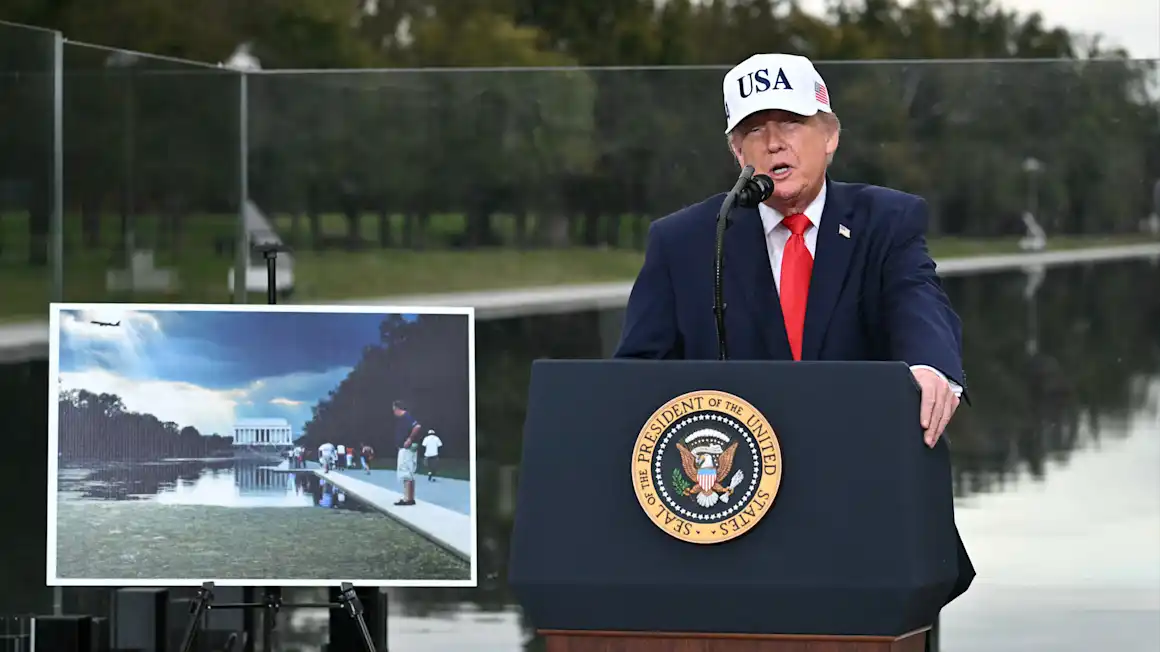
US President Donald Trump has intensified his engagement in the upcoming midterm elections by focusing on tangible infrastructure developments in the nation's capital. In a move designed to showcase the administration's legislative achievements, the President highlighted recent improvements to Washington's historic landmarks, specifically pointing to new piping systems and the visual impact of the Reflecting Pool. This strategic pivot to physical infrastructure serves as a central pillar of his final push to mobilize voters before the critical November vote.
The President's commentary on the Reflecting Pool went beyond simple maintenance, emphasizing the aesthetic and economic value of the improvements. He specifically noted the 'great reflectivity' of the water, a feature he attributes to the updated infrastructure. By drawing attention to such specific details, the administration aims to translate abstract policy successes into visible, relatable benefits for the public. The emphasis on 'reflectivity' underscores a narrative of renewal and enhanced national pride, positioning these local improvements as evidence of broader governmental efficiency.
Alongside the aesthetic upgrades, the President touted the installation of 'new pipes,' a reference to the underlying utility infrastructure that supports the city's historic monuments. These improvements are part of a larger effort to demonstrate the tangible results of the administration's spending and regulatory policies. The focus on water management and structural integrity in the capital serves as a microcosm for the President's broader claims about revitalizing American infrastructure. This approach allows voters to see direct connections between federal policy and the condition of their local environments.
Strategic Timing and Voter Mobilization
The timing of these announcements is critical, occurring on the eve of the midterm elections. With polls indicating a tight race, the President's campaign strategy relies heavily on highlighting completed projects to energize the base and persuade undecided voters. The narrative constructed around the Reflecting Pool and its new plumbing is not merely about tourism or maintenance; it is a calculated political message about competence and results. By framing the election as a referendum on these visible successes, the campaign seeks to create a clear contrast with opposition critiques.
Media coverage of the event has focused on the juxtaposition of high-level political strategy with the mundane details of city maintenance. The President's description of the project as 'a massive piece of pool' captures the blunt, direct style of his communication. This phrasing, while informal, effectively communicates the scale and significance of the investment in the eyes of his supporters. The media's role in amplifying these messages ensures that the infrastructure narrative reaches a wide audience, reinforcing the administration's preferred framing of the election.
Analysts note that the focus on Washington DC landmarks is a deliberate choice to target key demographics. The capital serves as a symbol of national identity, and improvements there are seen as improvements to the nation itself. By securing the upkeep and enhancement of such iconic sites, the administration aims to bolster its standing among voters who prioritize national pride and historic preservation. This strategy is particularly relevant in a political climate where cultural and historical symbols play a significant role in voter sentiment.
Broader Economic Implications
While the immediate focus is on the Reflecting Pool, the underlying message relates to the broader economic policies of the administration. The infrastructure improvements are presented as part of a successful economic agenda that prioritizes domestic investment and job creation. The new pipes and enhanced reflectivity are cited as examples of efficient use of resources, suggesting that the administration's fiscal policies yield high returns in the form of public goods. This narrative is intended to reassure voters that economic growth is translating into tangible improvements in their daily lives.
The emphasis on 'great reflectivity' also touches on the concept of soft power and national image. A well-maintained capital city reflects positively on the country's stability and prosperity. In a global context, where the US is often evaluated on its infrastructure and public spaces, these improvements serve as a visual testament to the administration's effectiveness. This aspect of the campaign message appeals to voters who view international standing as a key component of national success.
As the election approaches, the administration will likely continue to leverage such visible successes in its campaigning. The Reflecting Pool serves as a powerful symbol of the changes implemented under the current leadership. By keeping these improvements in the public eye, the campaign aims to maintain momentum and ensure that these achievements remain top of mind for voters. The focus on concrete, observable results is a strategy designed to cut through political noise and provide a clear reason for voter support.
Key takeaways
- US President Donald Trump highlighted new piping systems and the improved reflectivity of the Reflecting Pool as key infrastructure achievements.
- The announcements were made on the eve of the midterm elections to mobilize support and showcase tangible results of the administration's policies.
- The President described the project as 'a massive piece of pool,' emphasizing the scale and significance of the investment in Washington DC landmarks.
- The campaign strategy links these local improvements to broader economic success and national pride, aiming to influence voter sentiment.
- Media coverage has focused on the juxtaposition of political strategy with the specific details of city maintenance and utility upgrades.





